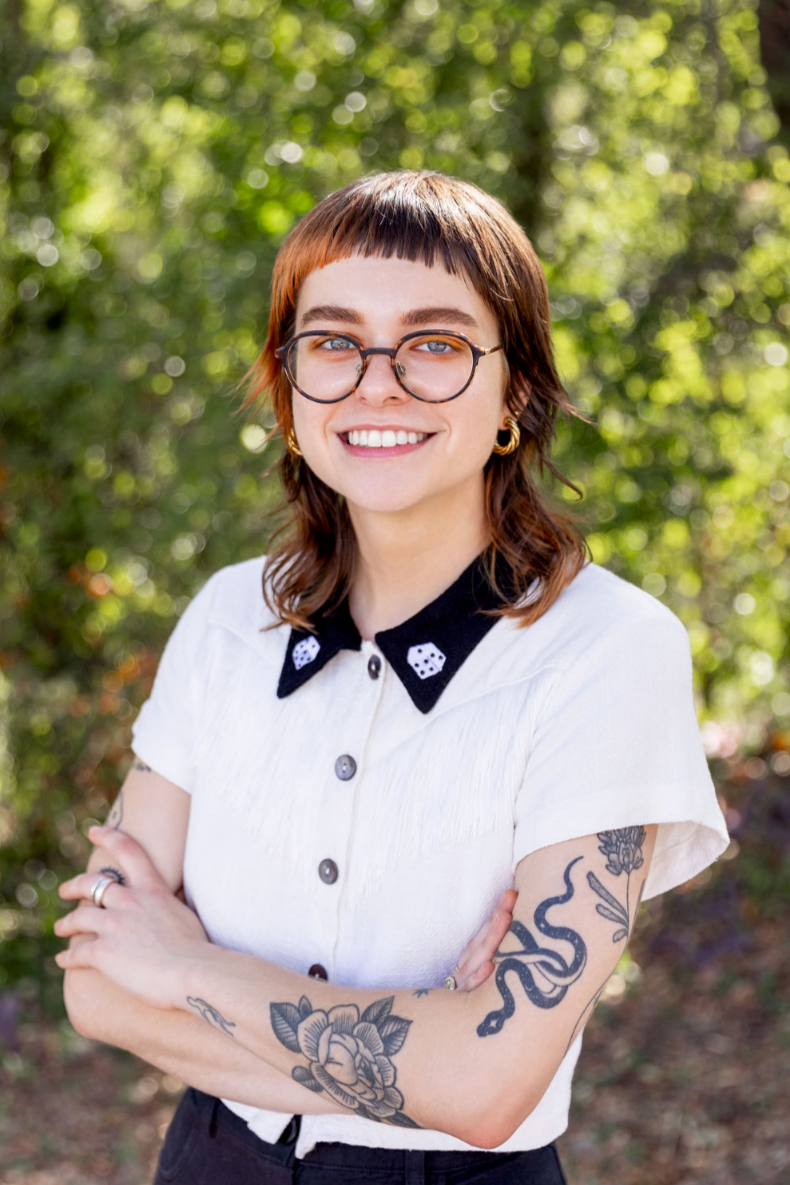
I’m a Licensed Clinical Social Worker and psychotherapist based in Austin, Texas, with a Master’s degree in Social Work from The University of Texas at Austin.
I primarily work with teens, young adults, and adults navigating trauma, C-PTSD, anxiety, relationship challenges, life transitions, and questions of identity and belonging. I especially enjoy working with neurodivergent individuals and those who are seeking a deeper understanding of themselves.
I love working with clients who bring curiosity and openness to therapy, but I also welcome those who arrive feeling uncertain, skeptical, or simply unsure where to begin. My hope is to help you connect with the curious and compassionate parts of yourself so that together we can approach every part of your experience with understanding, kindness, and care.
Background
My approach to therapy is trauma-informed, present-moment-focused, and highly relational. I take an integrative approach, meaning I draw from different methods depending on your unique experiences, identities, and values.
At the heart of my work is a psychodynamic approach, which focuses on understanding how your past experiences, relationships, and adaptations continue to influence your life in the present. By exploring these patterns with curiosity and compassion, we can develop a deeper understanding of your internal landscape, and create opportunities for healing, growth, and lasting change.
My clinical lens is informed by Internal Family Systems (IFS), EMDR, Buddhist psychology, somatic therapies, and attachment-focused work. I also sprinkle in some Dialectical Behavior Therapy (DBT) & Acceptance & Commitment Therapy (ACT) here and there, incorporating practical skills that can support emotional regulation, relationships, and the deeper therapeutic work we do together.
I also offer Ketamine-Assisted Psychotherapy (KAP) in partnership with Journey Clinical. If you're interested in learning more about KAP, I welcome you to read more about this part of my practice here.
Together, my hope is that we'll move beyond simply managing symptoms and toward deeper understanding, healing, and self-compassion.
Therapeutic Approach
Frameworks & Specialties

EMDR
EMDR is one of the tools I use to help you process trauma, C-PTSD, anxiety, and experiences that continue to shape how you see yourself, others, and the world. Together, we’ll identify patterns that may have originated in earlier experiences and help your brain and nervous system process what has been carried for too long. EMDR is not about reliving traumatic events; rather, it helps reduce the emotional intensity of difficult memories while creating space for healing, new insights, and self-compassion. I approach EMDR with warmth, curiosity, and flexibility, moving at a pace that feels safe and manageable while supporting meaningful and lasting change.

Internal Family Systems
Internal Family Systems (IFS), often called “parts work,” is based on the idea that we all have different parts of ourselves that carry unique emotions, beliefs, needs, and protective tendencies. Rather than trying to get rid of these parts, IFS helps us understand them with curiosity and compassion. I use parts work to help you navigate trauma, anxiety, self-criticism, relationship challenges, and inner conflict. Together, we’ll explore the different parts of you and build a more trusting relationship with your inner world, creating space for greater self-understanding, healing, and choice.
Somatics
Our experiences live not only in our minds, but also, and even more extensively, in our bodies. Stress, trauma, anxiety, and overwhelming life experiences are all stored in the nervous system, shaping how we feel, react, and move through the world. By gently bringing awareness to bodily sensations, emotions, and patterns, somatic work can help you to feel more grounded, connected, and regulated. I often incorporate somatic techniques into therapy to support nervous system healing, and deepen self-awareness.

Buddhist psychology offers a compassionate framework for understanding the mind, our patterns of suffering, and our capacity for growth and healing. Drawing from mindfulness and contemplative ancient wisdom traditions, I aim to support you in developing greater awareness of your thoughts, emotions, and experiences without becoming overwhelmed or defined by them. Rather than striving to eliminate difficult feelings, this approach supports a more curious, accepting, and skillful relationship with whatever arises. I often weave these principles into therapy to support self-understanding, resilience, and a deeper sense of presence in daily life.
Buddhist Psychology
Attachment
Attachment theory explores how our early relationships shape the ways we connect with ourselves and others. While attachment can be a helpful lens for understanding relational patterns, I approach it with the understanding that there is no single “right” way to connect, relate, or experience closeness. Our relationships are shaped not only by caregivers, but also by culture, community, family values, and lived experience. Together, we can explore these patterns with curiosity and compassion, building greater self-understanding, more fulfilling relationships, and a deeper felt sense of belonging.
I am a Licensed Clinical Social Worker (LCSW) in the state of Texas (License #111372). I am licensed by the Texas State Board of Social Worker Examiners, a member board of the Texas Behavioral Health Executive Council (BHEC). As an LCSW, I provide services in accordance with the Texas Social Work Practice Act and BHEC regulations.
Licensing Information
Contact me
I’d love to hear from you! Fill out this form and I will be in touch soon. :-)